Thank You in Arabic: 10 Ways to Say Shukran (with Replies)
How to say thank you in Arabic — Shukran, Shukran Jazeelan, Jazakallah Khair — with pronunciation, when to use each, and the correct reply.
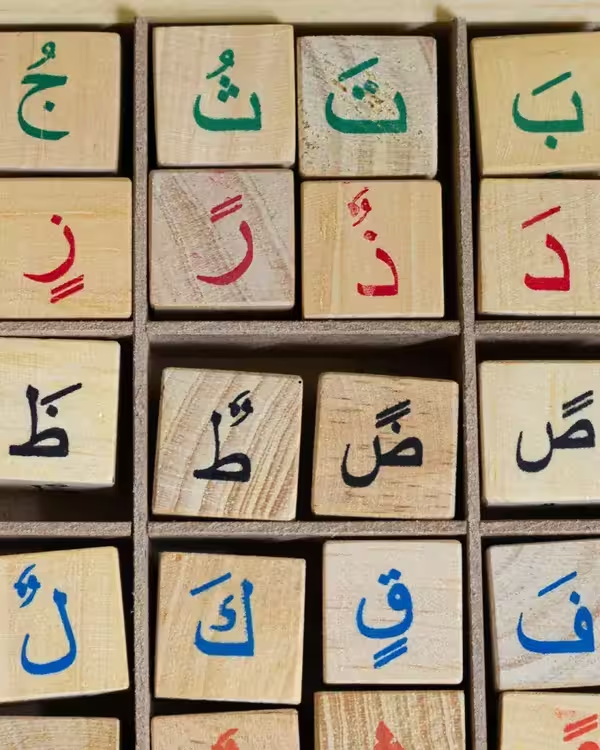
The most common way to say thank you in Arabic is Shukran (شُكْرًا) — "thanks." But Arabic gives you a whole ladder of options, from a casual thanks to a heartfelt dua. Here are the ten phrases every learner should know.
1. Shukran — شُكْرًا
Meaning: Thanks. Use: Everyday, casual — like English "thanks." Reply: ‘Afwan (عَفْوًا) — "You're welcome."
2. Shukran Jazeelan — شُكْرًا جَزِيلًا
Meaning: Thanks a lot / many thanks. Use: When someone has done more than a small favor. Reply: ‘Afwan or La shukra ‘ala wajib (no thanks needed for a duty).
3. Shukran Lak / Laki — شُكْرًا لَكَ / لَكِ
Meaning: Thank you (masculine / feminine). Use: Slightly warmer than plain Shukran, directed at a specific person.
4. Jazakallah Khair — جَزَاكَ اللَّهُ خَيْرًا
Meaning: May Allah reward you with good. Use: The Islamic thank-you, used between Muslims. See our full guide: Jazakallah Khair meaning. Reply: Wa iyyaka / iyyaki / iyyakum.
5. Barakallahu Feek — بَارَكَ اللَّهُ فِيكَ
Meaning: May Allah bless you. Use: Warm dua, especially after receiving help, knowledge, or a gift. Reply: Wa fīka barakallah — "And may Allah bless you too."
6. Mamnoon(a) — مَمْنُون / مَمْنُونَة
Meaning: I am grateful (masculine / feminine). Use: Common in Levantine and Gulf spoken Arabic.
7. Mutashakkir(a) — مُتَشَكِّر / مُتَشَكِّرَة
Meaning: I am thankful. Use: Slightly more formal spoken Arabic — Egyptian dialect uses it a lot.
8. Alfu Shukr — أَلْفُ شُكْر
Meaning: A thousand thanks. Use: Expressive, warm — text messages, notes, and heartfelt in-person moments.
9. Ya‘tik Al-‘Afiya — يَعْطِيك الْعَافِيَة
Meaning: May God give you strength/health. Use: Common Levantine phrase to thank someone for effort (a worker, driver, shopkeeper). Reply: Allah y‘afik — "May God give you strength too."
10. Ashkuruk / Ashkuruki — أَشْكُرُك / أَشْكُرُكِ
Meaning: I thank you (masculine / feminine). Use: Formal or written — CVs, letters, formal speech.
Which One Should You Use?
- Between Muslims: Jazakallah Khair or Barakallahu Feek is best.
- In everyday life with anyone: Shukran or Shukran Jazeelan.
- Formal / written: Ashkuruk or Mutashakkir.
- Casual spoken (Levant/Gulf): Mamnoon or Ya‘tik al-‘afiya.
How to Reply to Thank You in Arabic
- ‘Afwan (عَفْوًا) — "You're welcome" (most common).
- La shukra ‘ala wajib — "No thanks needed for a duty."
- Ahlan wa sahlan — "You're most welcome" (very warm).
- Wa iyyaka — for religious thanks (Jazakallah Khair).
Learn Arabic Properly
If you want to move beyond phrases and understand the Quran in its own language, a live Arabic tutor is the fastest path. Explore our Arabic Language and Quran Translation & Tafseer courses — book a free trial and be reading within weeks.
Final Thought
Arabic gives you a full spectrum of gratitude — from a quick Shukran to a lifelong dua like Jazakallah Khair. Learn a few, use them daily, and every "thank you" becomes an act of connection.
Frequently Asked Questions
Shukran (شُكْرًا) is the most common way to say thank you in Arabic. It works in every Arabic-speaking country and in every situation, from casual to semi-formal.