Online Quran Classes in Australia: Costs, Tutors & How to Choose
Online Quran classes in Australia typically cost A$60-A$160 a month for live one-on-one lessons with an Ijazah-certified tutor. What Australian Muslim families should check before booking.
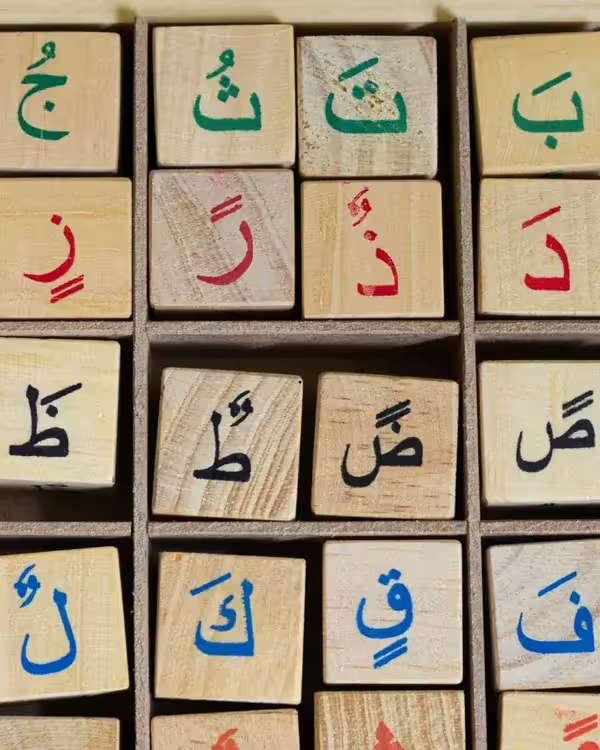
Distance is the Australian problem. If you live in Sydney's west you might have three options within a short drive; in Perth's outer suburbs, regional Queensland, or Hobart you may have none. Intention was never the barrier — access was.
Online Quran classes in Australia typically cost A$60 to A$160 per month for two to five live 30-minute one-on-one lessons a week with an Ijazah-certified tutor, scheduled in your own state time zone. What moves the price is lesson length, weekly frequency, and whether the tutor holds a formal Ijazah. Almost every established academy offers a free trial class before payment.
Last updated: August 2026.
What an online Quran class actually looks like
A class is a live one-on-one video lesson — usually 30 minutes for children, 45 to 60 minutes for adults and Hifz students. The tutor shares the mushaf on screen, the student recites aloud, and pronunciation is corrected as it happens.
That live correction is the whole product. Tajweed is an oral discipline: a heavy raa said lightly, or a missed qalqalah, is only fixed when a trained ear catches it in the moment. Apps and recorded videos are good for practice between lessons, not a substitute for them.
Three tracks cover almost every Australian family:
- Noorani Qaida — Arabic letters, sounds, and joining. Where most children aged 4-7 and adult beginners start.
- Quran reading with Tajweed — fluent recitation with the rules applied correctly.
- Hifz — structured memorization with daily new lesson (sabaq), recent revision (sabqi), and long revision (manzil).
How much online Quran classes cost in Australia
The figures below are typical Australian market ranges for live one-on-one tuition, not fixed quotes.
| Plan | Lessons per week | Typical monthly cost (AUD) | Best for |
|---|---|---|---|
| Light | 2 x 30 min | A$60 - A$85 | Busy sport and school schedules |
| Standard | 3 x 30 min | A$85 - A$115 | Most kids on Qaida or Quran reading |
| Intensive | 5 x 30 min | A$115 - A$160 | Faster progress, Tajweed correction, adult beginners |
| Hifz | 5 x 45-60 min | A$160 - A$260 | Committed memorization students |
Two checks before you compare numbers. First, whether the rate is per student or per family — households with three children benefit most from sibling pricing. Second, whether billing is genuinely month-to-month; enrolment fees and locked terms are where families get stuck. Confirm the academy charges in AUD too, since a USD-priced plan costs noticeably more once conversion and card fees are added.
Choosing a tutor: five things that actually matter
1. Ijazah certification. An Ijazah is a documented chain of transmission authorising the holder to teach recitation. Ask for it by name. "Twelve years of experience" is a different claim.
2. A genuine free trial with no card. Thirty minutes tells you more than any testimonials page. Watch whether your child recites or only listens, and how patiently the tutor corrects.
3. Tutor gender matching. Qualified female tutors should be available on request for daughters and sisters. Hesitation on this point usually signals hesitation elsewhere.
4. Written progress reporting. A short monthly note — what was covered, what is next, where the student stands — separates paying for lessons from knowing they worked.
5. A clear re-matching policy. Even excellent tutors are not right for every child. Forty-eight hours to re-match is reasonable; "give it a term" is not.
Ask about child safety directly as well. A reputable academy will let a parent observe any children's class and will explain in writing how tutors are screened — the same expectation you would have of any Australian provider working with children.
Scheduling across Australian time zones
The real advantage is that 5:00 PM means 5:00 PM where you live, rather than a compromise built around a tutor's clock.
| Time zone | Typical class window | Common in |
|---|---|---|
| AEST / AEDT | 3:30 PM - 9:30 PM | Sydney, Melbourne, Brisbane, Canberra, Hobart |
| ACST / ACDT | 3:00 PM - 9:00 PM | Adelaide, Darwin |
| AWST | 3:00 PM - 9:30 PM | Perth, Mandurah |
Two Australian quirks matter. Daylight saving applies in NSW, Victoria, SA, Tasmania and the ACT but not in Queensland, WA or the NT, so a fixed slot can drift by an hour twice a year — a good academy adjusts it automatically rather than asking you to rebook. And because Australian evenings run late in summer, the after-Maghrib window sits close to bedtime in December and January; many families move to a late-afternoon slot for the summer term. Ramadan timings should shift without renegotiating your plan.
What this looks like around the country
In Sydney — Lakemba, Auburn, Bankstown, Liverpool — the deciding factor is traffic; a twenty-minute drive after school costs more of the evening than the class. Families switch to weekday AEST slots instead. In Melbourne, Broadmeadows, Coburg and Dandenong families often run siblings back-to-back at 5:00 and 5:30 PM with two tutors matched to different levels. Brisbane and Gold Coast parents get stable year-round times since Queensland skips daylight saving. Perth families finally get proper AWST scheduling rather than a tutor stretching an overnight shift. In Adelaide, Canberra, Darwin and Hobart — where local weekend madrasah options are thinner — online one-on-one is often the only route to a certified tutor, and the same is true for regional families in country NSW, Victoria and WA.
Are online Quran classes effective — and are they permissible?
Effectiveness comes from correction and consistency, not from sharing a room. A child doing three focused 30-minute one-on-one lessons a week gets far more direct correction than one sitting in a group of twenty for two hours on a Saturday. Short and frequent beats long and occasional at every age.
On permissibility, learning and teaching Quran over video is widely accepted by contemporary scholars, with the same adab expected in person: appropriate gender matching where required, a parent able to observe children's classes, and respectful conduct throughout. If an academy cannot state its child-safety approach plainly, keep looking.
Getting started in five steps
- Pick the track — Noorani Qaida, Quran reading with Tajweed, or Hifz.
- Set the weekly rhythm — three 30-minute lessons is the realistic default for most children.
- Book a free trial and sit in on it.
- Confirm the practicalities — Ijazah, tutor gender, your state time zone, daylight-saving handling, AUD monthly billing, re-match policy, child safety.
- Protect the schedule for 90 days. Families who stall almost always stall on attendance, not ability.
Want to see a lesson before committing? Book a free trial class and we will match a tutor to your Australian time zone. You may also find our comparison of the best online Quran classes in Australia useful, along with the kids-specific guide for Australian families and the general checklist on how to choose a Quran tutor online.
Online Quran class costs by country
Costs, time zones, and tutor availability differ by country. If you or family members are based elsewhere, these companion guides cover the same ground locally:
| Country | Typical cost | Full guide |
|---|---|---|
| USA | $40-$120/mo | Online Quran classes in the USA: costs, tutors & time zones |
| UK | £35-£95/mo | Online Quran classes in the UK: costs, tutors & GMT scheduling |
| Canada | CA$55-CA$150/mo | Online Quran classes in Canada: costs, tutors & ET-PT scheduling |
Frequently Asked Questions
Expect A$60-A$160 a month for live one-on-one lessons, depending on frequency and length. Two 30-minute lessons a week sit at the lower end; five weekly lessons or Hifz programs sit at the top. Check the academy bills in AUD rather than USD.