Learn Arabic Online for Quran: From Alphabet to Understanding
Want to understand the Quran in Arabic? Learn how online Arabic courses for Quran help Muslims of all ages read, understand, and connect more deeply with Allah's words.
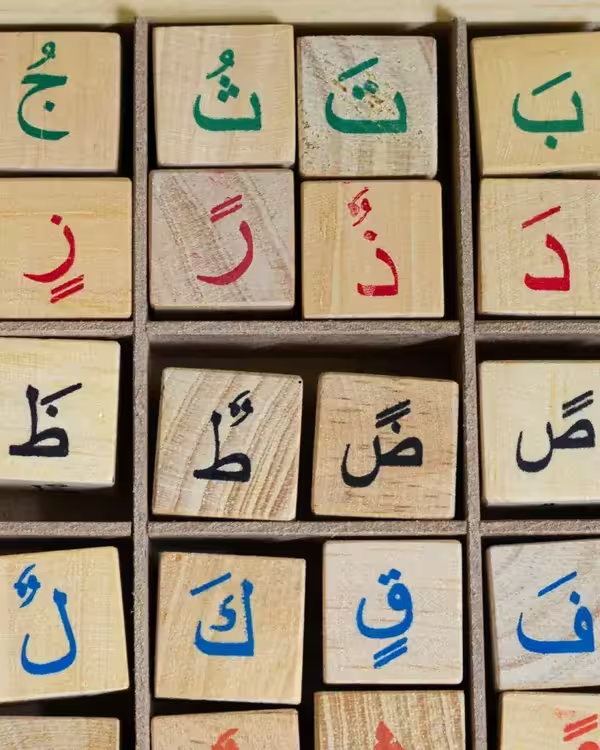
Understanding the Quran in its original Arabic is a profound goal for millions of Muslims worldwide. Whether you want to simply read fluently, understand the meaning during Salah, or dive deep into Quranic Arabic grammar, online courses make this journey accessible from anywhere in the world.
Why Learn Arabic for the Quran?
The Quran was revealed in Arabic — a language of extraordinary precision and beauty. Learning even basic Quranic Arabic transforms your relationship with Allah's words:
- Understand your prayers – Know the meaning of what you recite in Salah
- Connect directly with Allah's words – No translation captures the full depth of the original
- Improve Tajweed – Understanding sounds and meanings aids correct recitation
- Teach your children – Pass on this legacy to the next generation
The Different Levels of Arabic for Quran
Level 1: Arabic Alphabet & Phonetics
The entry point for complete beginners. You'll learn:
- 28 Arabic letters and their forms
- Short and long vowels (Harakat)
- Joining letters to form words
- Basic pronunciation rules
This is often taught through Noorani Qaida, a proven beginner's method.
Level 2: Quran Reading Fluency
Reading the Quran without understanding every word but with correct pronunciation. Includes:
- Connected letter reading
- Tajweed application
- Pace and flow improvement
Level 3: Quranic Arabic Vocabulary
The Quran uses approximately 1,700 unique root words. Learning the most common 300-400 unlocks understanding of 70%+ of the Quran.
Level 4: Quranic Arabic Grammar (Nahw & Sarf)
Deeper grammatical analysis of Quranic sentences. Suitable for:
- Students seeking deeper Tafsir understanding
- Those wanting to study Islamic texts independently
- Teachers and scholars in training
Online Arabic for Quran vs. Modern Standard Arabic (MSA)
Many students wonder: should I learn Quranic Arabic or Modern Standard Arabic?
| Aspect | Quranic Arabic | Modern Standard Arabic |
|---|---|---|
| Purpose | Understand Quran & Islamic texts | Communicate in Arab countries |
| Vocabulary | Classical, Quranic focus | Contemporary usage |
| Grammar | Classical rules | Similar but some differences |
| Spiritual reward | Direct connection to Quran | Indirect |
| Learning time | Can start with basics quickly | Longer for full fluency |
For most Muslims, Quranic Arabic is the priority. MSA can come later if needed.
How Online Arabic Courses Work
Modern online Arabic courses use video calls, interactive whiteboards, and digital texts to create an engaging learning experience:
- Assessment – Teacher identifies your current level
- Customized plan – Curriculum designed for your goals and pace
- Live sessions – One-on-one lessons via Zoom or similar platforms
- Practice materials – Worksheets, recordings, and exercises between classes
- Progress tracking – Regular reviews to measure improvement
Effective Tips for Learning Quranic Arabic
1. Learn Root Words Arabic is a root-based language. Most words derive from 3-letter roots. Learning roots unlocks vocabulary faster than memorizing individual words.
2. Recite What You Learn Apply new vocabulary and grammar immediately in Quran recitation. This reinforces learning through practice.
3. Use an Arabic Quran Read from a mushaf without vowel marks (harakaat) as you advance — this sharpens your recognition skills.
4. Listen to Tafsir in Arabic Even if you don't understand everything, exposure to Arabic Tafsir (Quranic commentary) accelerates comprehension.
5. Consistency Over Intensity 20-30 minutes of daily Arabic study beats a 3-hour session once a week. The brain retains languages through regular exposure.
How Long Does It Take?
- Read Arabic fluently: 3-6 months with regular practice
- Basic Quranic vocabulary (300 words): 3-4 months
- Understanding 50% of Quran: 6-12 months
- Understanding 80%+ of Quran: 1-3 years
Results vary based on dedication, prior language experience, and study frequency.
Frequently Asked Questions
You don't need to understand Arabic to read the Quran — millions of non-Arab Muslims learn to recite it phonetically. However, learning Arabic allows you to understand what you're reciting, deepening your spiritual connection and improving your Tajweed naturally.