Islamic Studies Online for Kids: Full Curriculum Guide 2025
Explore how online Islamic studies help Muslim children in the USA, UK, and Canada learn Quran, Arabic, and Islamic values from home with certified teachers.
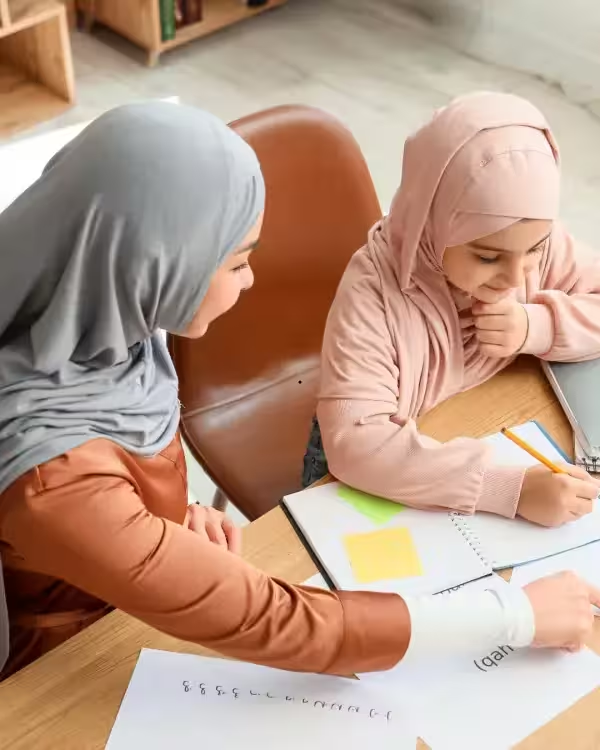
For Muslim families living in the West, providing their children with a solid Islamic education alongside regular schooling is a top priority. Online Islamic studies programs have made this easier than ever — giving kids in the USA, UK, and Canada access to certified teachers who teach Quran, Arabic, and Islamic values from home.
What Islamic Studies Online Covers
A comprehensive online Islamic studies curriculum for kids typically includes:
1. Quran Reading & Recitation
Students learn to read the Quran from the Arabic alphabet (via Noorani Qaida) all the way to fluent recitation with proper Tajweed rules.
2. Quran Memorization (Hifz)
Children can begin memorizing short Surahs from Juz Amma and work toward becoming a Hafiz at their own pace.
3. Islamic Theology (Aqeedah)
Core beliefs such as Tawheed (oneness of Allah), belief in prophets, angels, and the Day of Judgment are taught in age-appropriate ways.
4. Fiqh (Islamic Jurisprudence)
Practical lessons cover how to perform Salah, Wudu, fasting, and other acts of worship correctly.
5. Seerah (Prophet's Biography)
Children learn the life story of Prophet Muhammad ﷺ, building love and connection to his example.
6. Arabic Language
Basic Arabic vocabulary, grammar, and conversational phrases help children understand the Quran and Islamic texts better.
7. Islamic Manners & Ethics
Stories and lessons from the Quran and Hadith teach children values like honesty, kindness, respect, and patience.
Why Online Islamic Studies Works for Kids in the West
No Local Islamic School? No Problem Many Muslim families live far from mosques or Islamic schools. Online classes bring qualified teachers directly into your home via video.
Flexible Around School Schedules Classes can be arranged in evenings, weekends, or even during school holidays. Children don't have to compromise their regular education.
One-on-One Personalized Learning Unlike large classroom settings, online classes often feature one-on-one instruction tailored to each child's pace, age, and level.
Safe, Supervised Learning Parents can monitor lessons, ensuring their child is in a safe and appropriate learning environment.
What Age Can Kids Start?
| Age Group | Recommended Starting Point |
|---|---|
| 4-5 years | Arabic alphabet via Noorani Qaida (short sessions, 15-20 min) |
| 6-8 years | Quran reading, short Surahs, basic Islamic duas |
| 9-12 years | Tajweed, Islamic studies curriculum, Hifz if desired |
| Teens | Advanced Quran, Fiqh, Seerah, Arabic language |
How to Choose an Online Islamic Studies Program
- Qualified Teachers – Look for certified teachers with Ijazah for Quran and Islamic knowledge background
- Structured Curriculum – Ensure a clear progression, not random lessons
- Free Trial – Always try before committing
- Flexible Scheduling – Especially important for families across different time zones
- Female Teachers Available – Important for girls and many families' preferences
- Progress Tracking – Regular feedback and reports for parents
Online vs. Weekend Islamic School
| Feature | Online Islamic Studies | Weekend Mosque School |
|---|---|---|
| Frequency | Multiple times per week | Once a week |
| Personalization | One-on-one or small group | Large group |
| Flexibility | Anytime, anywhere | Fixed time/location |
| Teacher quality | Certified specialists | Varies widely |
| Cost | Often comparable | Often low/free |
| Travel | None | Required |
Tips for Parents
- Sit with younger children during early lessons to keep them focused
- Create a dedicated prayer and study area at home
- Tie Islamic studies to daily practice — review duas during family prayer time
- Celebrate milestones — completing Noorani Qaida or memorizing a Surah deserves recognition
- Be a role model — let children see you reciting and practicing Islam daily
Frequently Asked Questions
Children can start as early as 4 years old with the Arabic alphabet (Noorani Qaida). By age 6-7, they can handle regular Quran reading and basic Islamic studies. The key is finding a teacher experienced with young children who keeps lessons fun and engaging.