Bismillah Meaning: Full Translation, Tafseer & When to Say It
Bismillah means 'In the name of Allah, the Most Gracious, the Most Merciful.' Learn its full meaning, Arabic, tafseer, benefits and when Muslims say it.
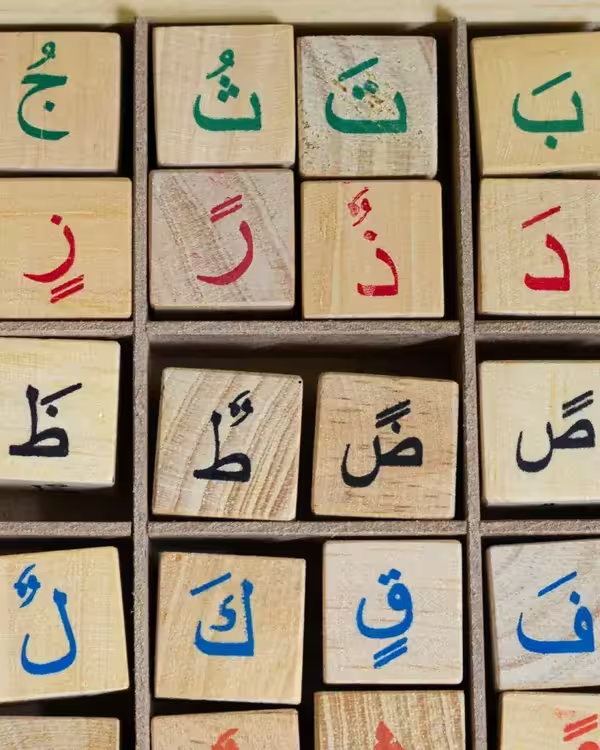
Bismillah is one of the first phrases every Muslim learns. It is short, but it carries deep meaning and appears at the start of almost every chapter of the Quran. In this guide, you'll learn exactly what Bismillah means, how to say it correctly, and when to use it in daily life.
Bismillah in Arabic
The full phrase is Bismillah ir-Rahman ir-Raheem — بِسْمِ اللَّهِ الرَّحْمَٰنِ الرَّحِيمِ.
Transliteration: Bismi-llāhi r-raḥmāni r-raḥīm.
Bismillah Full Meaning
The literal translation is: "In the name of Allah, the Most Gracious, the Most Merciful."
- Bismi — "In the name of"
- Allah — the proper name of God in Islam
- Ar-Rahman — the Most Gracious; the One whose mercy encompasses all creation
- Ar-Raheem — the Most Merciful; the One whose special mercy is for the believers
Together, the phrase asks for Allah's blessing and acknowledges that every action begins with Him.
Where Bismillah Appears in the Quran
Bismillah opens 113 of the 114 surahs of the Quran (all except Surah At-Tawbah). It also appears inside Surah An-Naml (27:30), in the letter of Prophet Sulaiman (peace be upon him) to the Queen of Sheba.
Scholars of Tajweed and Tafseer — including Ibn Kathir and Al-Qurtubi — consider Bismillah a complete verse whose recitation before every task brings barakah (blessing).
When to Say Bismillah
The Prophet ﷺ taught Muslims to begin daily actions with Bismillah. Common times include:
- Before eating or drinking
- Before entering or leaving the home
- Before starting a journey or riding transport
- Before reading the Quran
- Before wudu (ablution)
- Before sleeping
- Before starting any lawful task — work, study, or writing
Starting with Bismillah reminds you that success comes from Allah, not from your own strength alone.
Benefits of Reciting Bismillah
- Barakah (blessing) in your actions — the Prophet ﷺ said any important matter that does not begin with the name of Allah is deprived of blessing.
- Protection — reciting Bismillah before entering the home and eating is a Sunnah that keeps Shaytan away from your food and family (Sahih Muslim).
- Mindfulness — it turns ordinary actions into acts of worship.
- Connection with the Quran — since it opens nearly every surah, Bismillah trains your heart for Quranic recitation.
How to Teach Kids Bismillah
Bismillah is one of the first phrases we teach children in Noorani Qaida and beginner Quran classes. Simple habits work best:
- Say it aloud before every meal so kids repeat it naturally.
- Pair it with a short English translation the first few times.
- Use it before starting homework or car rides.
If your child is starting their Quran journey, our Quran for Kids and Noorani Qaida courses build these foundations with certified tutors.
Common Mistakes in Pronunciation
- Saying "Bismilla" (dropping the final -h sound) — the final "h" is soft but must be pronounced.
- Mispronouncing the heavy "R" in Ar-Rahman — it is a full-mouth sound, not a light English "r".
- Rushing "ir-Raheem" and cutting the long "ee" (ي) short.
A qualified Tajweed tutor will correct these in minutes. Learn more in our Online Tajweed Classes.
Final Thought
Bismillah is short, but it reshapes how a Muslim moves through the day. Every task — big or small — begins by naming the One who gives success. Say it, teach it to your children, and let it open your relationship with the Quran.
Frequently Asked Questions
The full phrase Bismillah ir-Rahman ir-Raheem means 'In the name of Allah, the Most Gracious, the Most Merciful.' It acknowledges that every action begins with Allah's name and asks for His blessing.