Best Time to Study Quran: Maximize Your Learning & Blessings
Discover the most blessed and effective times to study Quran according to Islamic teachings and learning science. Optimize your Quran study schedule for maximum benefit.
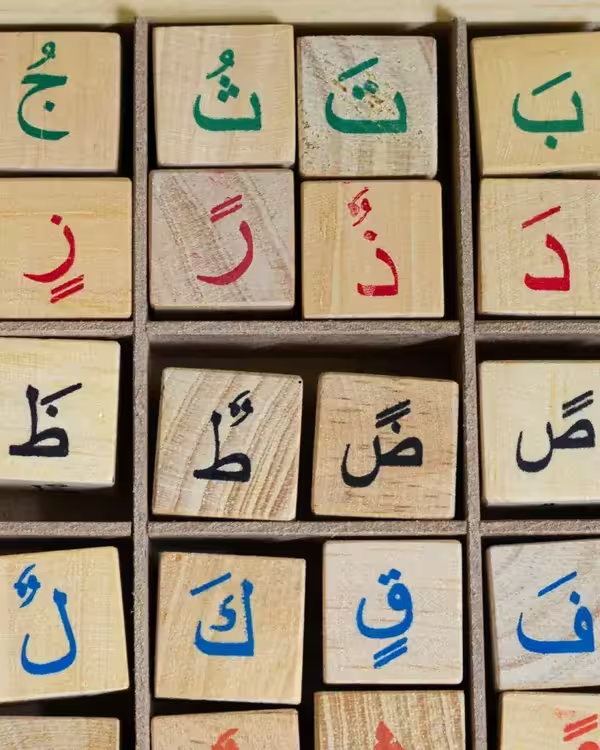
Choosing the right time to study Quran can significantly impact both the spiritual blessings you receive and how effectively you learn. Islam teaches us about blessed times, while modern science shows us when our brains learn best. Let's combine both for optimal Quran study.
Blessed Times for Quran Study in Islam
After Fajr Prayer
The time after Fajr until sunrise is one of the most blessed periods of the day. The Prophet (PBUH) said: "O Allah, bless my Ummah in their early mornings." (Tirmidhi)
Benefits:
- Mind is fresh and free from daily worries
- Quiet environment with minimal distractions
- Angels are present during this time
- Sets a positive tone for the entire day
During Tahajjud (Last Third of Night)
Allah descends to the lowest heaven during the last third of the night. This is the most spiritually powerful time.
Benefits:
- Complete silence and focus
- Heightened spiritual connection
- Duas are readily accepted
- Deep contemplation is possible
After Salah (Prayer)
The time immediately after each of the five daily prayers is excellent for Quran study.
Benefits:
- Already in a state of worship
- Wudu is fresh
- Heart is softened from prayer
- Regular, built-in schedule
Friday (Jumu'ah)
Friday is the best day of the week in Islam. Reading Surah Al-Kahf on Friday is especially recommended.
Benefits:
- Barakah (blessings) of the best day
- Protection from Dajjal (for Surah Al-Kahf)
- Community focus on worship
Best Times According to Learning Science
Morning Hours (6 AM - 12 PM)
Research shows that analytical thinking and concentration peak in the morning.
Ideal for:
- Learning new Tajweed rules
- Memorizing new verses (Hifz)
- Focused study of difficult sections
Late Afternoon (3 PM - 5 PM)
A second cognitive peak occurs in late afternoon for many people.
Ideal for:
- Revision of previously learned material
- Practice recitation
- Lighter study sessions
Before Sleep
The brain consolidates memories during sleep. Studying before bed enhances retention.
Ideal for:
- Reviewing newly memorized portions
- Listening to recitations
- Light revision
Creating Your Optimal Quran Study Schedule
For Students
| Time | Activity | Duration |
|---|---|---|
| After Fajr | New memorization | 30 mins |
| After school | Homework then Quran practice | 20 mins |
| After Maghrib | Online class / revision | 30 mins |
| Before bed | Listen to recitation | 15 mins |
For Working Professionals
| Time | Activity | Duration |
|---|---|---|
| Fajr time | New lesson or memorization | 20 mins |
| Lunch break | Listen to recitation | 15 mins |
| After Asr | Practice/revision | 15 mins |
| After Isha | Online class | 30-45 mins |
For Parents at Home
| Time | Activity | Duration |
|---|---|---|
| After Fajr | Personal study (before kids wake) | 30 mins |
| While kids at school | Online class | 45 mins |
| After Dhuhr | Quick revision | 10 mins |
| Kids' bedtime | Review/Listen | 20 mins |
Tips for Consistency
1. Link to Existing Habits
Attach Quran study to something you already do daily (after a specific prayer, after breakfast, etc.)
2. Start Small
15 minutes daily is better than 2 hours once a week. Build the habit first.
3. Set Reminders
Use phone alarms or app notifications to prompt study time.
4. Create Sacred Space
Have a designated, clean area for Quran study that you associate with learning.
5. Track Progress
Keep a simple log of what you studied and when. Seeing progress motivates continuation.
The Most Important Time
While certain times offer more blessings or better cognitive function, the BEST time to study Quran is the time you will actually do it consistently.
A realistic schedule you follow is infinitely better than an "ideal" schedule you can't maintain. Start with what works for your life, and optimize from there.
The Prophet (PBUH) said: "The most beloved deeds to Allah are those done consistently, even if they are small." (Bukhari)
Frequently Asked Questions
Both times have unique benefits. Morning (after Fajr) offers a fresh mind and blessed time for new learning. Night (especially last third) provides deep spiritual connection and fewer distractions. For memorization and new learning, morning is often better. For reflection and spiritual connection, night excels. Ideally, incorporate both.